10 Sustainable Jute Products That Can Add Value to Your Home Décor Brand
Home décor buyers are looking for products that feel natural, useful and visually distinctive. For brands, this has created growing interest in materials that can bring texture and an authentic, handcrafted character to product collections.
Jute is one material that fits naturally into this space.
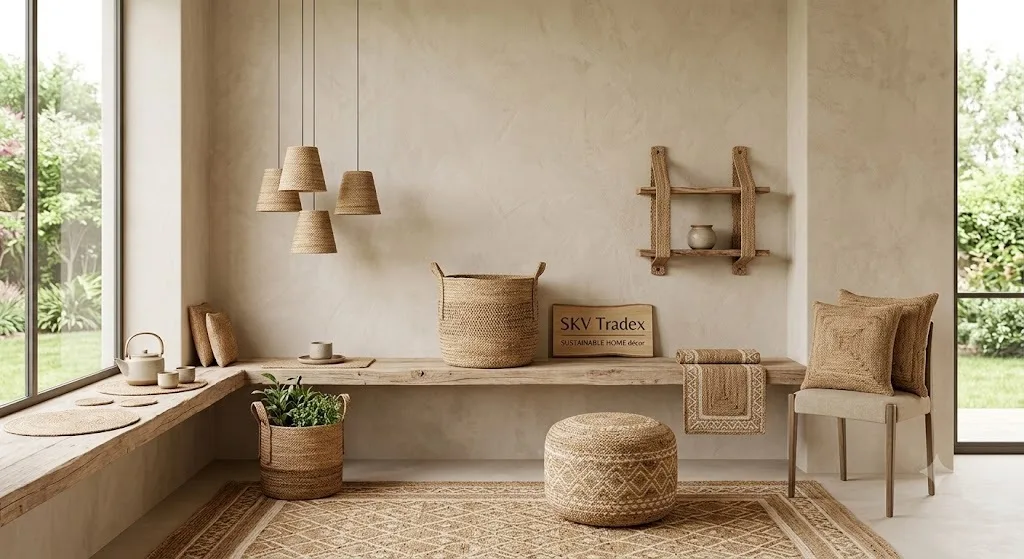
Known for its natural appearance and versatile texture, jute can be used to create everything from baskets and rugs to wall décor, planters and storage products. It can also work across different interior styles, from rustic and coastal to contemporary and bohemian-inspired spaces.
For home décor brands, the opportunity is not simply to sell a jute product. It is to build a collection around a material that can offer different designs, sizes, functions and price points.
In this guide, we explore 10 sustainable jute products that can add value to a home décor brand and explain what buyers should consider when sourcing them.
Why Jute Works for Home Décor Brands
Jute has a distinctive natural texture that can make a product feel warm and visually interesting.
It can be woven, braided, twisted or combined with other materials to create different finishes and product styles.
For brands, this versatility makes jute useful across several categories, including:
-
Home storage
-
Floor décor
-
Wall décor
-
Plant accessories
-
Table décor
-
Baskets
-
Organizers
-
Seasonal decorations
Another advantage is that jute products can often be designed around different interior aesthetics. A simple natural-colored basket may suit a minimalist room, while a patterned rug or braided wall hanging can create a stronger decorative statement.
10 Sustainable Jute Products for Home Décor Brands
1. Jute Storage Baskets
Storage is one of the easiest ways to combine function with home décor.
Jute storage baskets can be used for blankets, toys, laundry, magazines, towels and everyday household items.
They can be produced in different shapes and sizes, including:
-
Round baskets
-
Rectangular baskets
-
Oval baskets
-
Tall baskets
-
Handle baskets
-
Lidded baskets
For retailers, different sizes can be sold individually or as coordinated sets.
A consistent weave, strong construction and clean finishing are particularly important because storage baskets need to handle regular use.
2. Jute Rugs and Floor Mats
Jute rugs can add natural texture to a room without relying on complicated patterns.
They can work in living rooms, bedrooms, dining areas, entryways and other spaces.
Popular approaches include braided, woven and patterned designs.
For home décor brands, rugs also provide an opportunity to create collections around different dimensions. A small entry mat, medium area rug and larger living-room rug can share the same design language.
When sourcing jute rugs, buyers should consider weave quality, thickness, edge finishing, dimensions and how the product is intended to be used.
3. Jute Plant Baskets and Planter Covers
Indoor plants have become an important part of home styling, and jute can complement greenery particularly well.
Jute planter baskets can be used as decorative covers around plant pots. They can introduce natural texture while helping the planter blend with furniture and other décor.
Brands can explore:
This category can also work well alongside macrame products, allowing brands to create coordinated natural-texture collections.
4. Jute Wall Décor
Jute does not have to stay on the floor or inside a basket.
It can also be turned into decorative wall products.
Examples include:
-
Woven wall hangings
-
Braided wall panels
-
Jute artwork
-
Decorative hoops
-
Textured wall accents
-
Woven geometric designs
Jute wall décor can be especially useful for brands looking to offer products with a handmade appearance.
Simple designs can suit minimalist interiors, while layered or patterned pieces can work well for customers who prefer more expressive décor.
5. Jute Table Runners and Placemats
Small textile products can be an effective way for customers to introduce natural materials into their homes without making major changes.
Jute table runners and placemats can add texture to dining tables, coffee tables and other surfaces.
They can be developed in:
For retailers, these products can also be packaged as sets, creating an attractive gifting and seasonal opportunity.
6. Jute Laundry and Utility Bags
Functional products can make a jute collection more commercially useful.
Jute laundry bags and utility bags can provide storage while adding a natural decorative element to bedrooms, bathrooms, laundry areas and utility spaces.
Features such as handles, lining, drawstrings, reinforced sections and inner compartments can be considered depending on the intended use.
For brands, utility products can also broaden the audience beyond customers specifically searching for decorative pieces.
7. Jute Tote and Home Utility Bags
Jute bags can serve both lifestyle and household purposes.
Simple tote-style products can be used for shopping, storage, gifting or everyday carrying.
For home décor brands, customized bags can also become part of packaging or promotional collections.
Design options can include:
This gives brands an opportunity to connect packaging, lifestyle products and home décor under one visual identity.
8. Jute Poufs and Decorative Seating
Jute can also be used to create larger statement pieces such as poufs and ottomans.
These products can add texture while providing practical seating or foot support.
Jute poufs can work particularly well in:
-
Living rooms
-
Bedrooms
-
Reading corners
-
Sunrooms
-
Hospitality spaces
For commercial buyers, construction is especially important in this category. The outer material, stitching, filling, shape retention and finishing all influence the final product.
9. Jute Baskets for Shelving and Organization
Smaller jute baskets can turn open shelving into more organized and visually appealing storage.
They can be used for:
-
Accessories
-
Towels
-
Toys
-
Office supplies
-
Beauty products
-
Small household items
Stackable or coordinated baskets can be particularly useful for retailers because customers can purchase several pieces for different rooms.
Brands can differentiate collections through size, weave, color, handles and lining.
10. Jute Christmas and Seasonal Décor
Seasonal collections give home décor brands another way to use jute.
Jute can be incorporated into Christmas and festive products such as:
-
Tree ornaments
-
Mini stockings
-
Garlands
-
Gift bags
-
Table decorations
-
Wreath accents
-
Hanging ornaments
The natural texture of jute can pair well with wood, cotton, rope and other natural-looking materials.
Seasonal jute products can also be developed in coordinated collections, helping retailers create attractive displays during the festive shopping period.
How Jute Can Add Value to a Home Décor Brand
Adding jute products is not only about following a material trend.
The bigger opportunity is product diversification.
A brand can create a complete collection using one material across different categories.
For example, a natural jute collection could include:
-
Storage baskets
-
Rugs
-
Planters
-
Table runners
-
Wall décor
-
Poufs
-
Seasonal decorations
This gives customers the opportunity to coordinate products throughout their homes.
Create Different Price Points
Jute products can be developed in different sizes and levels of complexity.
A brand could offer smaller placemats or baskets as entry-level products while positioning larger rugs, poufs and decorative pieces as premium products.
This can help create a more complete product range.
Build a Consistent Visual Identity
A collection becomes stronger when products share a recognizable design language.
Similar weaving patterns, colors, trims and materials can make individual products feel like part of the same brand.
Offer Practical Products
Consumers do not always want décor that only looks good.
Storage baskets, utility bags, planters and table products combine visual appeal with everyday use.
That combination can make them easier to integrate into a customer's lifestyle.
What to Consider When Sourcing Sustainable Jute Products
Sustainability should be considered carefully when developing a jute collection.
Simply using the word "jute" does not automatically make every product sustainable. Buyers should look at the complete product and supply chain.
Material Information
Ask suppliers about the material composition and whether additional materials are used in the product.
Construction
Durable construction can help a product remain useful for longer.
Check stitching, weaving, handles, lining, seams and finishing according to the product category.
Dyes and Finishes
If colored jute is being sourced, ask about the dyes and finishing processes used.
Packaging
Consider packaging that protects the product without unnecessarily increasing material use.
Product Longevity
A well-designed product that customers can use repeatedly can provide more value than a disposable décor item.
Supplier Transparency
Brands should work with suppliers who can clearly communicate product specifications, materials, manufacturing details and relevant documentation where required.
Jute and Other Natural-Fiber Collections
Jute does not have to be sold as a standalone category.
It can be combined with other materials to create broader home décor collections.
For example:
Jute + Macrame:
A natural-texture collection combining baskets, wall décor, plant hangers and decorative accents.
Jute + Cotton:
Useful for cushions, table textiles, bags and mixed-material products.
Jute + Wood:
A strong combination for baskets, trays, wall décor and storage products.
This approach can help brands create collections with more visual variety while maintaining a consistent natural theme.
Why Custom Jute Products Can Help Brands Stand Out
Generic products can be easy to compare.
Custom products give a brand more room to create a distinctive identity.
Depending on the product, customization may include:
-
Dimensions
-
Colors
-
Weave patterns
-
Handles
-
Labels
-
Embroidery
-
Printing
-
Packaging
-
Product combinations
For private-label home décor brands, these details can make an important difference.
Instead of simply adding another jute basket to the market, a brand can develop a product that reflects its own design language and customer requirements.
Choosing a Jute Manufacturer and Exporter
For international home décor brands and buyers, selecting the right manufacturing partner is an important part of product development.
A suitable supplier should be able to communicate clearly about:
-
Product specifications
-
Materials
-
Customization
-
Sampling
-
Quality checks
-
Packaging
-
Order requirements
-
Production timelines
-
Export documentation
SKV Tradex is a manufacturer, supplier and exporter of jute, macrame, textile handloom, home furnishing, apparel and garment products.
Our product portfolio allows buyers to explore jute and other textile-based products for different home décor and lifestyle collections.
For brands developing a new range, the goal should be to find products that combine attractive design, practical function, consistent quality and a clear market position.
Final Thoughts
Jute offers home décor brands much more than a natural-looking material.
It can be transformed into storage baskets, rugs, planters, wall décor, table accessories, utility bags, poufs and seasonal products, giving brands plenty of ways to build a diverse collection.
The strongest opportunity comes from combining design with function.
Rather than adding jute products simply because they look sustainable, brands should consider material transparency, product durability, responsible sourcing, practical use and long-term customer value.
With thoughtful product development and the right manufacturing partner, jute can become an important part of a modern home décor collection.
Looking for Sustainable Jute Products for Your Home Décor Brand?
Ready to add natural, functional and market-ready jute products to your collection?
SKV Tradex works with retailers, wholesalers, home décor brands, importers and international buyers looking for jute products, custom designs and reliable manufacturing support from India.
Whether you need jute baskets, rugs, planters, wall décor, table accessories, storage products or customized jute collections, share your product requirements with our team. We can discuss product specifications, materials, customization, quantities, sampling and export requirements based on your business needs.
Start building your next jute collection with SKV Tradex.
👉 Share your product requirements today and talk to the SKV Tradex team about wholesale, custom and export opportunities.
Frequently Asked Questions
What are the most popular jute products for home décor?
Popular jute home décor products include baskets, rugs, planters, wall décor, table runners, placemats, poufs, storage products and seasonal decorations.
Why is jute suitable for home décor products?
Jute has a distinctive natural texture and can be woven, braided, twisted or combined with other materials. This makes it suitable for both decorative and functional products.
Are jute products sustainable?
Jute is a natural plant-based fiber, but the sustainability of a finished product depends on factors such as material composition, processing, dyes, construction, packaging and product lifespan. Buyers should ask suppliers for relevant product and sourcing information rather than relying on broad sustainability claims.
Can brands customize jute products?
Yes, depending on the product and manufacturing capabilities. Customization may include size, color, patterns, handles, labels, printing, embroidery and packaging.
Which jute products are best for retailers?
Storage baskets, rugs, planters, table accessories, wall décor and utility products can provide a diverse mix of decorative and functional options. Retailers should select products based on their target customers, price points and market requirements.
How can a brand create a jute home décor collection?
Start with a consistent design direction and develop products across several categories. For example, a collection can combine baskets, rugs, planters, wall décor and table accessories using related colors, materials and patterns.
Must Read


Leave A Comment