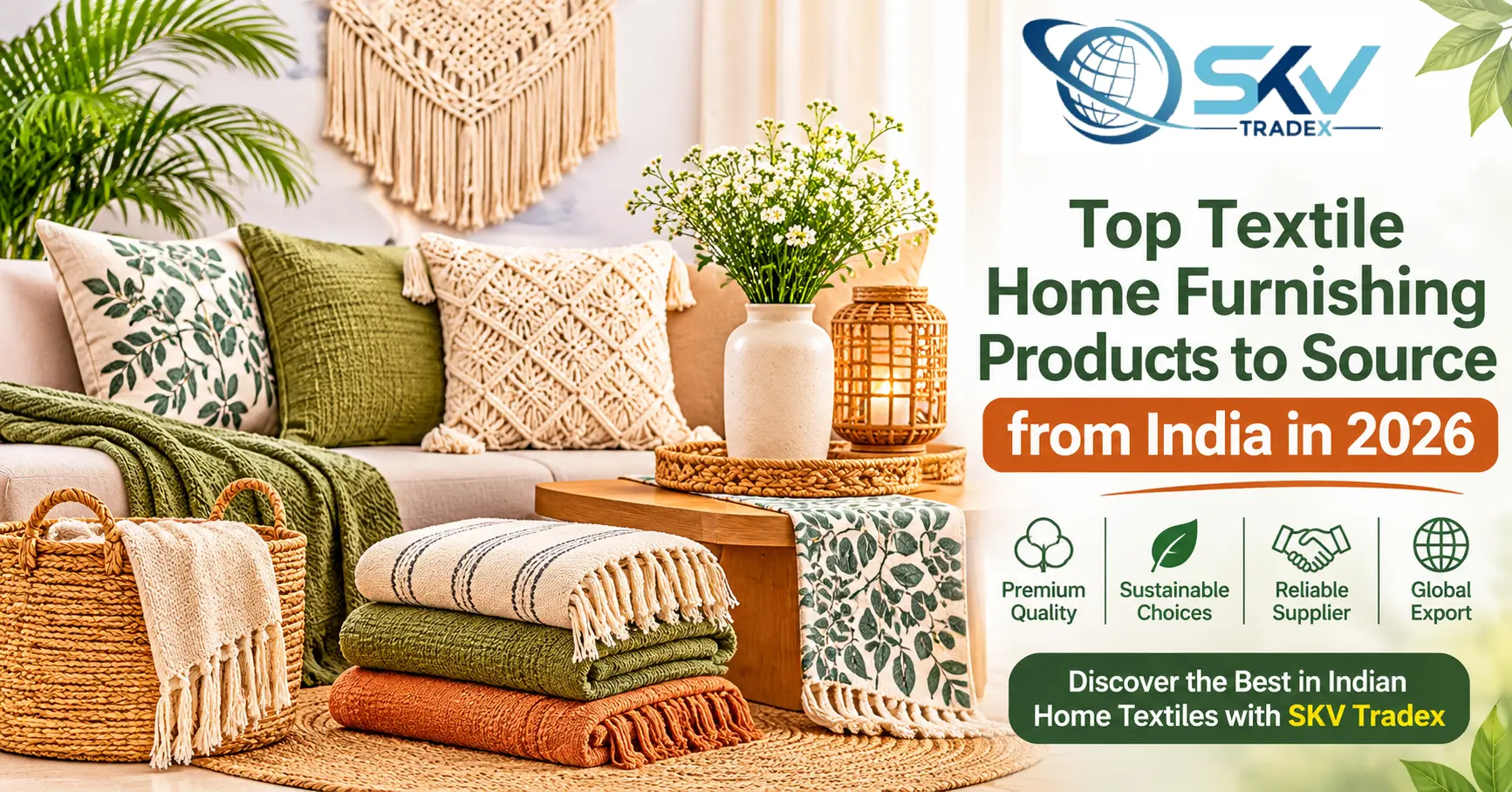
Top Textile Home Furnishing Products to Source from India in 2026
The way people decorate and furnish their homes continues to evolve. Today, buyers are looking beyond basic home essentials and paying more attention to comfort, design, material quality and sustainability. From handcrafted cushion covers and decorative throws to jute rugs and macrame wall hangings, textile home furnishing products have become an important part of modern interior collections.
India has a strong position in this market, offering a wide range of textile products that combine traditional craftsmanship with contemporary designs. Its manufacturing capabilities, access to natural materials and skilled workforce make it an attractive sourcing destination for international buyers looking to develop or expand their home furnishing collections.
For importers, wholesalers, retailers and interior brands, sourcing from India also creates opportunities to explore customized designs, private-label collections and different product categories under one supply network.
In this guide, we explore the top textile home furnishing products to source from India in 2026, popular materials, emerging home decor trends and important factors to consider when choosing a reliable manufacturing and supply partner.
Why India Is a Preferred Destination for Home Furnishing Sourcing
India has a well-established textile industry with experience in producing a wide variety of home furnishing products for domestic and international markets. From cotton bedding and decorative fabrics to handcrafted jute and macrame products, buyers can find different styles and product options to suit their target markets.
There are several reasons why international buyers consider India for home textile sourcing.
-
Wide product selection: Buyers can source bedding, curtains, cushion covers, table linen, rugs, throws and decorative textile accessories.
-
Access to natural materials: Cotton, jute, linen and other natural fibres offer opportunities to develop different types of home furnishing collections.
-
Traditional craftsmanship: Indian artisans bring experience in weaving, embroidery, handloom techniques and handcrafted textile production.
-
Customization opportunities: Manufacturers can work with buyers on specific colours, patterns, sizes, fabrics and product specifications.
-
Private-label possibilities: Businesses can develop products with their own branding, labels and packaging.
-
Export experience: Many Indian manufacturers and exporters serve international markets and understand the requirements of overseas buyers.
This combination of manufacturing experience, product variety and design flexibility makes India a worthwhile destination for businesses planning their 2026 home furnishing collections.
Top Textile Home Furnishing Products to Source from India in 2026
Whether you operate a home decor store, wholesale business, furniture brand or interior design company, India offers several product categories worth exploring. Here are ten popular options to consider for your sourcing requirements.
1. Cushion Covers and Decorative Pillow Covers
Cushion covers are among the most versatile home furnishing products. They are relatively easy to introduce into a collection and can quickly change the appearance of sofas, beds, chairs and other living spaces.
Indian manufacturers offer cushion covers in different materials, including cotton, jute, linen and macrame. Buyers can explore plain, printed, embroidered, textured and handcrafted designs depending on their target customers.
Popular options include:
-
Cotton cushion covers for everyday home use.
-
Embroidered cushion covers for decorative collections.
-
Jute cushion covers for natural and rustic interiors.
-
Macrame cushion covers for handcrafted home decor.
-
Printed and textured designs for contemporary spaces.
For retailers and private-label brands, customized cushion covers offer opportunities to create coordinated collections with different sizes, patterns and colour combinations.
2. Curtains and Window Treatments
Curtains do more than provide privacy. They also influence the overall appearance, lighting and comfort of a room. This makes them an important category for home furnishing retailers and interior brands.
India offers a variety of curtain fabrics and designs, including cotton, linen, blended textiles, printed fabrics and embroidered options.
Some popular products include:
-
Cotton curtains for everyday residential interiors.
-
Sheer curtains for natural light and softer room styling.
-
Blackout curtains for bedrooms and hospitality spaces.
-
Printed curtains for decorative interiors.
-
Embroidered curtains for premium furnishing collections.
Buyers can also explore customized lengths, fabric weights, patterns and finishing details to match different market requirements.
3. Bed Sheets and Bedding Accessories
Bedding products are everyday essentials with demand across residential, hospitality and retail markets. For businesses sourcing home textiles in bulk, this category offers opportunities to develop complete and coordinated collections.
Common bedding products include:
Cotton remains a popular choice because of its softness, breathability and versatility. Buyers can also explore different fabric constructions, prints, colours and thread counts based on their product positioning.
For hotels, home furnishing retailers and bedding brands, sourcing coordinated sets can make inventory management and product presentation easier.
4. Table Linen and Dining Accessories
Dining spaces are receiving more attention in modern home styling. As a result, table linen and decorative dining accessories continue to offer interesting opportunities for home furnishing businesses.
Indian textile manufacturers and suppliers offer several products in this category, including:
-
Tablecloths.
-
Table runners.
-
Fabric placemats.
-
Cotton napkins.
-
Decorative dining mats.
Cotton and jute are particularly useful materials for developing different dining collections. Cotton offers a clean and versatile appearance, while jute brings a more natural and textured look.
Retailers can create coordinated dining sets by combining table runners, placemats and napkins in matching colours and designs.
5. Rugs, Carpets and Floor Coverings
Rugs and floor coverings can change the feel of a room without requiring major changes to the furniture or interior design. They are popular across residential, hospitality and commercial furnishing markets.
Indian sourcing options include:
Natural fibre rugs are particularly suitable for brands targeting customers who prefer earthy colours and simple interior styles.
When sourcing rugs, buyers should pay attention to dimensions, weaving quality, material composition, finishing and durability. These details influence both product performance and customer satisfaction.
6. Throws, Blankets and Bed Covers
Throws and blankets are practical furnishing accessories that also add texture and warmth to living spaces. They are commonly used on sofas, beds, armchairs and lounge furniture.
Popular options include cotton throws, woven blankets, lightweight bed covers and decorative sofa throws.
For businesses developing their collections, some interesting options are:
-
Lightweight cotton throws for everyday use.
-
Textured throws for modern living spaces.
-
Decorative woven blankets.
-
Seasonal blankets for different climates.
-
Coordinated bed covers and furnishing accessories.
Colour combinations, fabric texture and finishing are important considerations when selecting these products. Neutral shades, natural textures and simple patterns can work well for collections designed around versatile interior styling.
7. Macrame Home Furnishing and Decorative Products
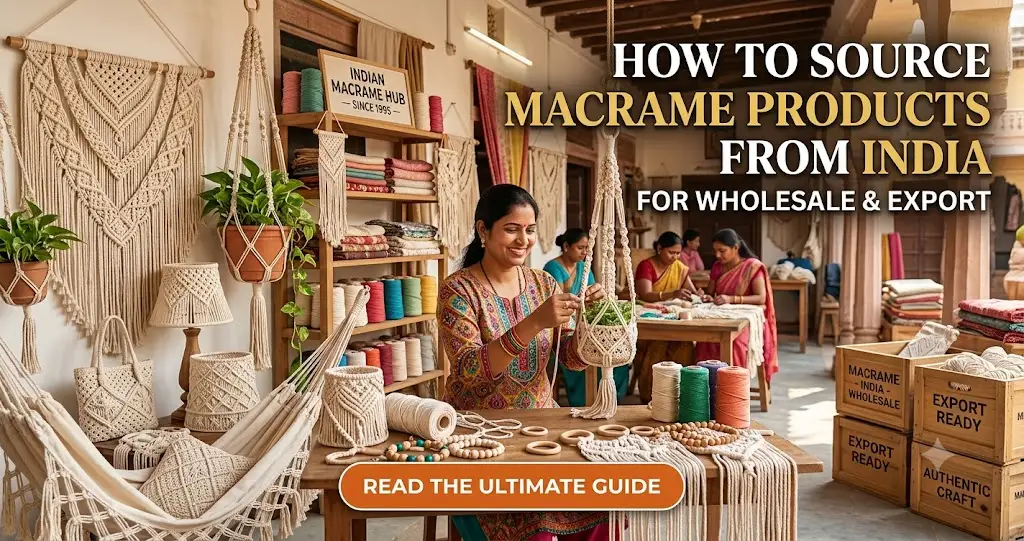
Macrame has become a recognised part of handmade home decor. Its knotted patterns and textured appearance make it suitable for both decorative and functional furnishing products.
India offers opportunities to source handcrafted macrame products made using cotton ropes and other suitable materials.
Some products worth exploring include:
-
Macrame wall hangings.
-
Macrame cushion covers.
-
Macrame plant hangers.
-
Decorative macrame organizers.
-
Macrame table accessories.
-
Handmade textile storage solutions.
These products are particularly relevant for boutique home decor stores, lifestyle retailers and brands looking to introduce handcrafted collections.
For buyers, customization can include knotting patterns, dimensions, rope thickness, colours and additional decorative details.
8. Jute Home Furnishing Products
Jute is a natural fibre widely used in home furnishing and lifestyle products. Its distinctive texture and earthy appearance make it a suitable choice for brands interested in natural-looking home decor.
Indian manufacturers offer several jute-based furnishing options, such as:
-
Jute cushion covers.
-
Jute rugs and floor mats.
-
Jute table runners.
-
Jute placemats.
-
Decorative storage baskets.
-
Jute wall decor and accessories.
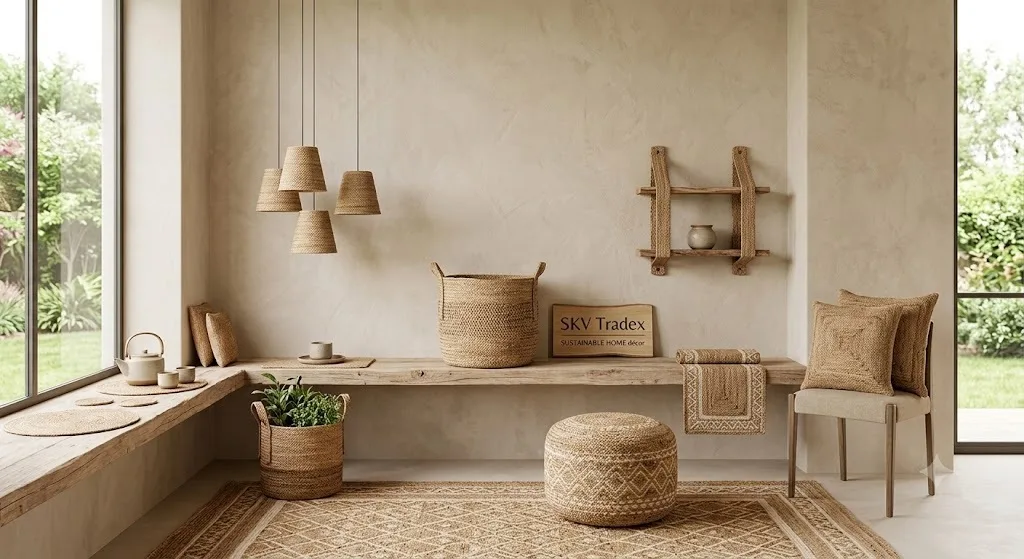
One of the biggest advantages of jute is its versatility. It can be used on its own or combined with cotton and other materials to create different textures and product styles.
For international buyers, jute furnishing products can help build collections around natural materials and understated interior designs. However, product quality, fibre consistency, stitching and finishing should always be checked before placing bulk orders.
9. Upholstery Fabrics and Decorative Textiles
Upholstery fabrics are used to cover and enhance furniture such as sofas, chairs, cushions and headboards. This category is particularly relevant for furniture manufacturers, interior designers and furnishing brands.
Depending on the intended application, buyers can explore:
-
Cotton upholstery fabrics.
-
Blended furnishing fabrics.
-
Woven decorative textiles.
-
Textured upholstery materials.
-
Printed furniture fabrics.
When selecting upholstery materials, consider fabric strength, texture, colourfastness, maintenance requirements and suitability for the intended furniture application.
Buyers should also discuss fabric specifications and performance requirements with the manufacturer before confirming production.
10. Kitchen and Bathroom Textile Products
Kitchen and bathroom textiles are practical home essentials that offer regular purchasing opportunities for retailers and wholesale distributors.
Popular kitchen textile products include:
-
Kitchen towels.
-
Dishcloths.
-
Cotton aprons.
-
Oven mitts.
-
Pot holders.
Bathroom furnishing products include:
Cotton is commonly used in these products because of its versatility and suitability for everyday textile applications. Buyers should consider absorbency, fabric weight, stitching, washing requirements and product finishing when developing these collections.
Popular Materials Used in Indian Home Furnishing Products
Material selection plays an important role in the appearance, comfort, durability and overall positioning of home furnishing products. Before choosing a manufacturer or supplier, buyers should understand the materials available and how they suit different applications.
Here are some commonly used materials in Indian home furnishing collections.
Cotton
Cotton is widely used in bedding, cushion covers, curtains, table linen and other household textiles. Its soft feel and versatility make it suitable for a broad range of product categories.
Jute
Jute is a natural plant fibre used in rugs, cushion covers, table accessories and decorative products. It is a popular option for collections featuring earthy colours and natural textures.
Linen
Linen is valued for its breathable structure and distinctive appearance. It is often used in premium curtains, cushion covers, table linen and bedding collections.
Wool
Wool is commonly associated with rugs, carpets, blankets and other products where warmth and texture are important. It can be suitable for seasonal and premium furnishing ranges.
Macrame Cotton Rope
Cotton rope is frequently used to create handmade macrame products. Its flexibility makes it suitable for wall hangings, plant hangers, decorative accessories and other knotted textile designs.
Recycled and Blended Fabrics
Recycled fibres and blended fabrics offer additional possibilities for manufacturers developing different product ranges. Their suitability depends on the intended use, material composition and required product specifications.
For B2B buyers, the best material is not necessarily the most expensive one. It should match the product's intended purpose, target customer, quality expectations and price range.
Home Furnishing Trends International Buyers Should Watch in 2026
Home furnishing preferences continue to change as consumers look for products that reflect their personal style and everyday needs. For retailers and importers, following these developments can help when planning new collections.
Here are some trends worth considering in 2026.
1. Sustainable and Natural Materials
Products made using cotton, jute and other natural fibres are attracting attention from buyers interested in more responsible material choices. Businesses can explore these materials when developing collections for customers who value natural textures.
2. Minimalist and Neutral Interiors
Simple patterns, soft shades and understated designs remain relevant across different furnishing categories. Beige, cream, grey and earthy colours can work well for versatile collections.
3. Handmade and Artisanal Products
Handcrafted products bring individuality to home decor collections. Macrame wall hangings, woven accessories and handmade cushion covers can help retailers introduce more distinctive products.
4. Natural Textures and Organic Designs
Textured fabrics, woven surfaces and nature-inspired patterns are useful for creating a warm and comfortable interior appearance.
5. Multifunctional Home Furnishing Products
Consumers increasingly appreciate products that combine appearance with practical use. Decorative storage baskets, versatile throws and functional textile organizers are examples worth exploring.
6. Personalized and Customized Collections
Retailers and interior brands are looking for products that match their own identity. Customized colours, dimensions, prints and finishing details can help businesses create collections that stand apart.
7. Private-Label Home Textile Products
Private-label sourcing allows businesses to sell home furnishing products under their own brand. Custom labels, packaging and product specifications can help maintain a consistent brand identity.
How to Choose the Right Textile Home Furnishing Manufacturer in India
Finding the right manufacturing partner is one of the most important steps in building a successful home furnishing business. A product may look attractive in a catalogue, but its actual quality, consistency and production standards matter just as much.
Before selecting a textile home furnishing manufacturer, consider the following points.
Check Manufacturing Experience
Look for a manufacturer with relevant experience in the product categories you want to source. A supplier specializing in bedding may have different production capabilities from one focusing on jute or macrame products.
Review Product Quality
Ask for samples and check the fabric, stitching, dimensions, colour consistency and finishing. For certain products, you may also need to review material composition and performance specifications.
Discuss Customization Requirements
If you are developing your own collection, confirm whether the manufacturer can work with your designs, specifications, colour references and packaging requirements.
Understand Minimum Order Quantities
Minimum order quantities can vary depending on the product, material and manufacturing process. Discuss these requirements before finalizing your sourcing plans.
Confirm Production Timelines
Ask about sampling, production schedules, quality inspections and dispatch arrangements. Clear timelines help businesses plan inventory and sales activities.
Evaluate Quality Control
A reliable manufacturing partner should have a clear process for checking products during and after production. Discuss inspection procedures and the handling of defective or non-compliant items.
Check Export and Documentation Support
International buyers should confirm the availability of relevant commercial documentation, packaging details and shipping coordination before placing an order.
Taking time to evaluate these factors can help reduce sourcing difficulties and establish a more dependable business relationship.
What to Look for in a Reliable Textile Home Furnishing Supplier
A good supplier does more than provide products. They should understand your requirements, communicate clearly and help manage the sourcing process.
When comparing a textile home furnishing supplier with other available options, pay attention to the following:
-
Product range: Check whether the supplier offers the categories you need and can support future product expansion.
-
Material availability: Confirm the materials, fabric options and specifications available for your selected products.
-
Pricing transparency: Understand product costs, sampling charges, packaging expenses and other applicable charges.
-
Customization support: Discuss private-label manufacturing, product development and design requirements.
-
Order communication: Look for clear responses regarding samples, production progress and dispatch.
-
Packaging and branding: Confirm whether custom labels, tags and packaging can be arranged.
-
Shipping coordination: Discuss shipping methods, delivery arrangements and export requirements.
-
Long-term reliability: Consider whether the supplier can support repeat orders and maintain consistent product quality.
The right sourcing partner should be able to understand your business needs rather than simply offering a fixed list of products.
Why International Buyers Should Source Home Furnishing Products from Indian Manufacturers
For international businesses, India offers an opportunity to work with manufacturers across several textile and furnishing categories.
Instead of sourcing every product from a different market, buyers may be able to develop multiple product lines through suitable Indian manufacturing and export partners.
Some advantages include:
-
Access to a broad selection of home furnishing products.
-
Opportunities to source natural and handcrafted textile collections.
-
Customized product development for specific markets.
-
Wholesale and bulk purchasing opportunities.
-
Private-label and branded product development.
-
A combination of traditional designs and modern furnishing styles.
-
Opportunities to build long-term manufacturing relationships.
However, sourcing decisions should always be based on product quality, pricing, manufacturing capabilities, communication and the supplier's ability to meet your specific requirements.
Why Choose SKV Tradex for Textile Home Furnishing Products?
At SKV Tradex, we focus on manufacturing, supplying and exporting products across jute, macrame, textile home furnishing and apparel categories. We understand that every buyer has different product requirements, target customers and market expectations.
Whether you are a wholesaler, retailer, importer, buying house or home decor brand, we aim to support your sourcing needs with product options suited to different business requirements.
Our product categories include:
-
Jute home furnishing and decorative products.
-
Macrame home decor and handcrafted textile products.
-
Textile home furnishing solutions.
-
Apparel and garment products.
We also understand the importance of product specifications, design preferences and presentation in B2B sourcing. Buyers can discuss their requirements for product styles, materials, colours, sizes and customization possibilities with our team.
Our focus is on building business relationships through product quality, customer communication and a practical understanding of sourcing requirements.
If you are planning to introduce new home furnishing products or expand your existing collection in 2026, connect with SKV Tradex to discuss your requirements.
Final Thoughts: Find the Right Home Furnishing Products to Source from India in 2026
India offers a wide selection of textile home furnishing products for businesses looking to develop attractive and competitive collections. From everyday essentials such as bed sheets and curtains to decorative products made from jute and macrame, there are plenty of options for different customer segments and markets.
The key is to select products that match your business model, understand the materials and specifications, and work with a manufacturing partner who can meet your expectations.
Whether you are searching for a dependable textile home furnishing manufacturer or a wholesale textile home furnishing supplier, taking a product-focused and quality-conscious approach can make your sourcing process more effective.
Looking for textile home furnishing products from India? Connect with SKV Tradex to explore product possibilities and discuss your wholesale, customization and export requirements.
Frequently Asked Questions (FAQs)
1. What are the most popular textile home furnishing products to source from India in 2026?
Popular sourcing options include cushion covers, curtains, bed sheets, table linen, rugs, throws, blankets, macrame decor, jute furnishings and kitchen textiles.
2. Why should international buyers source home furnishing products from India?
India offers diverse textile manufacturing capabilities, access to natural materials, skilled craftsmanship, customization opportunities and a wide selection of home furnishing products for different markets.
3. How do I find a reliable textile home furnishing manufacturer in India?
Check the manufacturer's product experience, samples, material quality, customization capabilities, minimum order quantities, production timelines and quality control procedures before placing an order.
4. What materials are commonly used in Indian home furnishing products?
Common materials include cotton, jute, linen, wool, macrame cotton rope and different blended or recycled fabrics. The right material depends on the product's intended application and quality requirements.
5. Can Indian home furnishing suppliers provide customized products?
Yes. Depending on their manufacturing capabilities, suppliers may offer customization in fabric, colours, sizes, patterns, designs, labels and packaging.
6. What are the best sustainable home furnishing products to import from India?
Jute rugs, cotton cushion covers, macrame wall hangings, natural-fibre table accessories and other products made using suitable natural or recycled materials are worth exploring.
7. What should buyers check before placing a bulk home furnishing order?
Buyers should review product samples, material specifications, pricing, minimum order quantities, production schedules, quality standards, packaging and shipping arrangements.
8. Are Indian textile home furnishing manufacturers suitable for private-label production?
Many manufacturers offer private-label opportunities, including customized product designs, branding, labels and packaging. Buyers should confirm the available services and production requirements directly with the manufacturer.




Leave A Comment